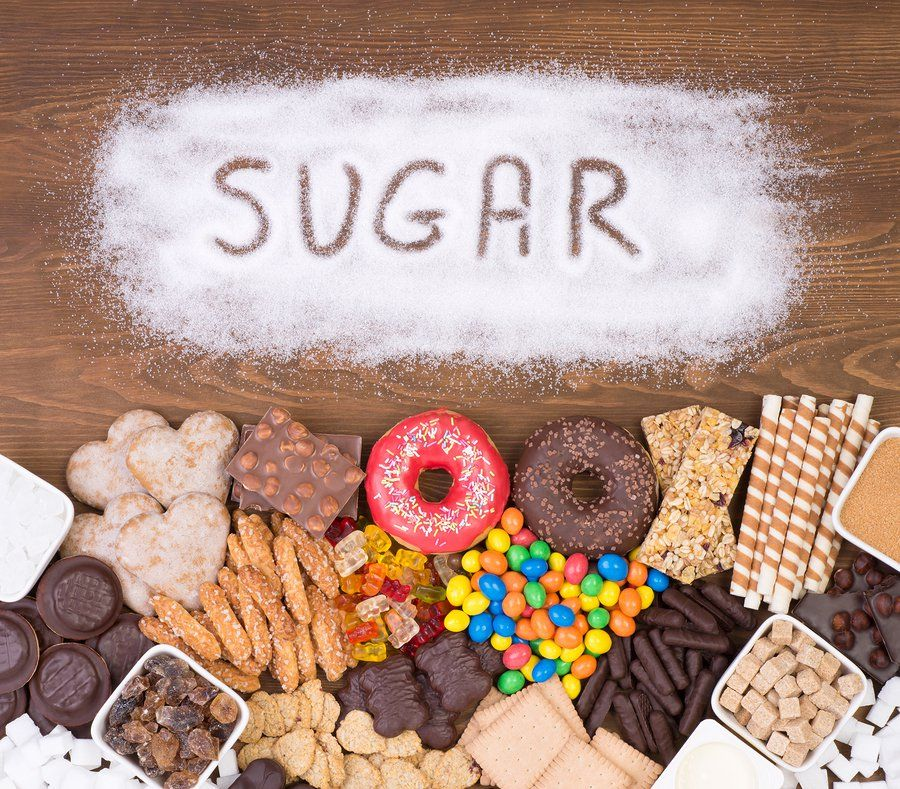

Many people try to reduce sugar intake, but the biggest problem is hidden sugar in everyday foods. Even products that look healthy can contain surprising amounts of added sugar. In the United States and India, excessive sugar consumption is becoming a major health concern because it is linked to conditions like Type 2 Diabetes, Obesity, and heart disease.
Understanding where hidden sugars exist can help you make healthier choices and protect your long-term health.

What Is Hidden Sugar?
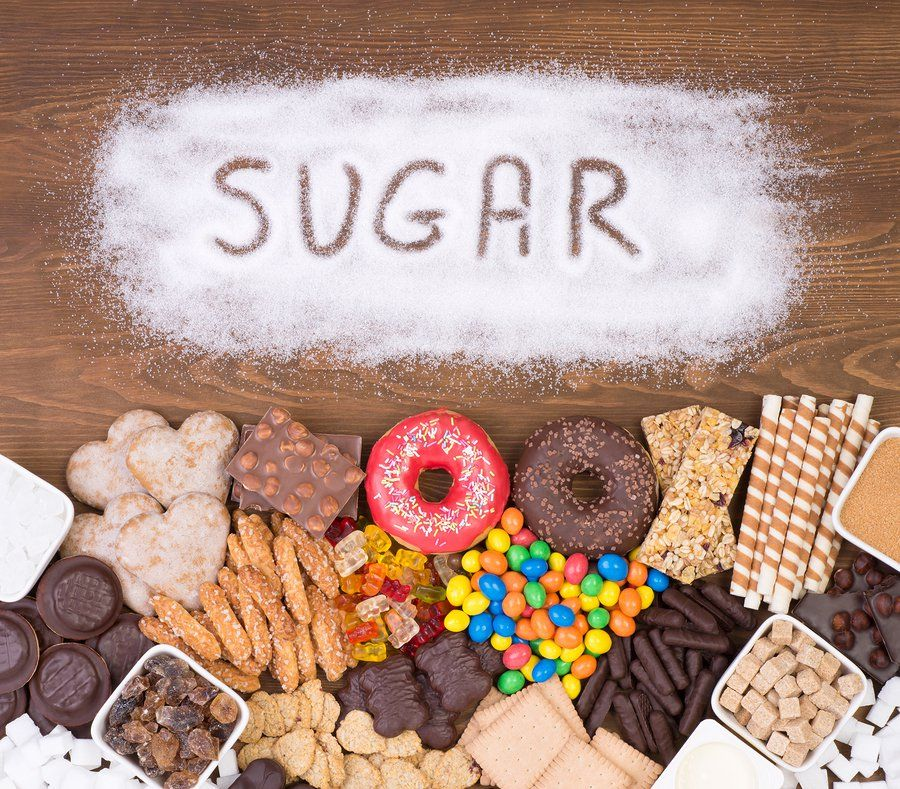
Common forms of hidden sugar include:
- High fructose corn syrup
- Cane sugar
- Maltose
- Dextrose
- Rice syrup
- Corn syrup
Many of these sugars affect the body similarly by raising blood sugar and triggering Insulin levels.
25 Hidden Sugar Food You Should Know About
Below is a list of foods that often contain hidden sugar, even though people consider them healthy or harmless.
1. Flavored Yogurt
Flavored yogurt can contain up to 15–25 grams of sugar per serving. While yogurt itself is nutritious, flavored versions often include added sweeteners.
2. Breakfast Cereals
Many cereals marketed as “healthy” contain high amounts of sugar to improve taste.
Some cereals contain more sugar than desserts.
3. Granola Bars
Granola bars are commonly seen as healthy snacks, but many contain syrups, chocolate, or sweet coatings that increase sugar content.
4. Salad Dressings
Store-bought dressings often include sugar to balance acidity. Even small servings may contain several grams of hidden sugar.
5. Tomato Ketchup
Ketchup is one of the most common sources of hidden sugar. Just one tablespoon can contain around 4 grams of sugar.
6. Pasta Sauce
Many packaged pasta sauces include sugar to reduce the acidity of tomatoes.
7. Fruit Juice
Although fruit juice seems healthy, it often contains as much sugar as soft drinks because it lacks fiber.
Excess sugar consumption from beverages may increase the risk of Non‑Alcoholic Fatty Liver Disease.
8. Smoothies
Store-bought smoothies frequently contain added syrups, sweetened yogurt, or fruit concentrates.
9. Flavored Coffee Drinks
Many coffee drinks from cafes include syrups and sweetened milk, dramatically increasing sugar intake.
10. Protein Bars
Some protein bars contain as much sugar as candy bars.
Always check the nutrition label before buying.
11. Packaged Oatmeal
Instant flavored oatmeal packets often contain added sugar for taste.
12. Energy Drinks
Energy drinks can contain large amounts of sugar, sometimes exceeding daily recommended limits.
13. Sports Drinks
Sports drinks are designed for athletes but are often consumed by people who do not need the extra sugar.
14. Bread
Some breads, especially packaged white bread, include sugar to improve flavor and texture.
15. Peanut Butter
Many commercial peanut butter brands add sugar to enhance taste.
Natural peanut butter usually contains fewer additives.
16. Canned Soup
Certain soups contain sugar to balance flavor, especially tomato-based soups.
17. Frozen Meals
Ready-to-eat frozen meals may include sugar in sauces and marinades.
18. Flavored Milk
Chocolate and flavored milk contain significantly more sugar than plain milk.
19. Barbecue Sauce
Barbecue sauce is often loaded with sugar to create a sweet and smoky taste.
20. Canned Fruits
Canned fruits are frequently stored in sugar syrup instead of natural juice.
21. Yogurt Drinks
Drinkable yogurts often contain more sugar than regular yogurt.
22. Crackers
Some flavored crackers contain small but significant amounts of added sugar.
23. Plant-Based Milk
Almond milk, oat milk, and soy milk may contain added sugar in flavored versions.
24. Ice Cream Alternatives
Even low-fat or “healthy” ice creams may include added sugars.
25. Vitamin Water
Some vitamin drinks include sugar to improve taste despite being marketed as healthy.
Why Hidden Suhttps://www.hotzehwc.com/2018/06/6-negative-effects-of-sugar-on-your-brain/?utm_source=Pinterest&utm_medium=organicgar Is a Problem
Excess sugar consumption can negatively affect health in several ways:
- Increased risk of Type 2 Diabetes
- Weight gain and Obesity
- Higher risk of heart disease
- Energy crashes and fatigue
Frequent spikes in blood sugar can also affect Metabolism, making it harder for the body to regulate energy levels.
How to Avoid Hidden Sugar
Here are simple ways to reduce hidden sugar in your diet:
1. Read Nutrition Labels
Look for “added sugars” on the nutrition facts panel.
2. Choose Whole Foods
Fresh fruits, vegetables, whole grains, and lean proteins typically contain little or no added sugar.
3. Avoid Highly Processed Foods
Processed foods are more likely to contain added sugar.
4. Select Unsweetened Versions
Choose unsweetened yogurt, milk, and beverages when possible.
5. Cook More Meals at Home
Home-cooked meals allow you to control the ingredients and sugar levels.
Final Thoughts
Hidden sugar is present in many foods that people eat every day without realizing it. By learning how to identify these foods and reading nutrition labels carefully, you can significantly reduce your sugar intake.
Small changes—such as choosing unsweetened products, limiting processed foods, and focusing on whole foods—can improve your health and reduce the risk of conditions like Type 2 Diabetes and Obesity.
Becoming aware of hidden sugars is one of the most effective steps toward building a healthier lifestyle.


