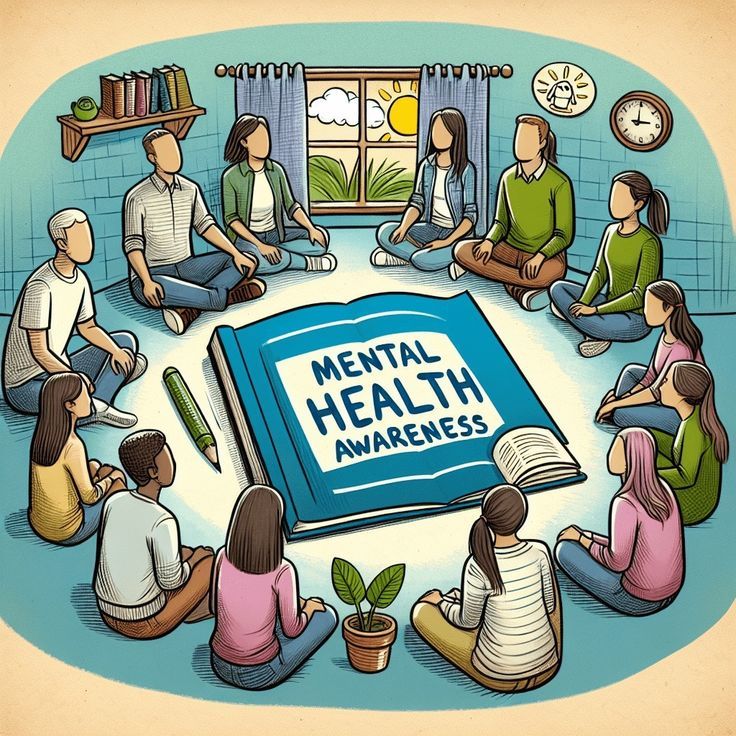

Why Are American Universities Struggling to Cope?
Walk across any college campus in the U.S. today, and you’ll feel it — the pressure, the exhaustion, the quiet sense of struggle behind so many young faces. From Ivy League universities to small community colleges, students are reporting unprecedented levels of anxiety, depression, loneliness, and burnout.
Once considered the “best years of your life,” college has become, for many, an emotional battlefield. But how did we get here? Why are so many students struggling, and why do universities seem so unprepared to help?
Let’s take a deep dive into the mental health crisis unfolding on American campuses, explore what’s fueling it, and uncover what can actually be done to help.
The Growing Wave of Student Distress
Over the past decade, mental health concerns among college students have skyrocketed. According to surveys by the American College Health Association, nearly 60% of students report experiencing overwhelming anxiety, and about 40% say they feel so depressed it’s hard to function.
The numbers are startling — but behind every statistic is a story. Students juggling classes, part-time jobs, and social pressures are finding it harder than ever to keep up. Add to that the rising cost of education, uncertainty about the future, and the lingering effects of the pandemic, and you have the perfect storm.
Mental health issues used to be whispered about behind closed doors. Now, they’re part of everyday campus conversations — and still, many students say they can’t find the help they need.
1. The Pressure to Succeed Has Never Been Higher

College has always been competitive, but today’s students face a different kind of pressure. With rising tuition, unstable job markets, and social media comparisons, the stakes feel enormous.
Many students feel that every grade, internship, or resume line defines their worth. The constant drive to “do more” leaves little time for rest or reflection. And when the fear of failure becomes overwhelming, anxiety and depression follow.
It’s not uncommon to hear a student say, “If I don’t get this internship, my future is over.” That level of stress is exhausting — and unsustainable.
2. Financial Strain Is Taking a Toll

College in America is expensive — and the financial burden adds heavy emotional weight. Student debt now exceeds $1.7 trillion nationwide, and many students work multiple jobs just to afford tuition and living expenses.
Financial insecurity creates a daily sense of instability. When you’re constantly worrying about paying rent or buying groceries, it’s hard to focus on studying or self-care.
Money stress can also increase feelings of isolation. Some students skip social events or meals out with friends to save money, which only deepens loneliness.
3. Social Media and the Comparison Trap

Scroll through Instagram or TikTok, and it looks like everyone else is thriving — getting straight A’s, landing internships, traveling, and making perfect friends. But that highlight reel hides the truth.
Social media amplifies feelings of inadequacy. When students compare their real lives to others’ curated feeds, they often feel like they’re falling behind. This “comparison culture” fuels anxiety, low self-esteem, and disconnection.
What’s even more concerning is that social media use has been linked to sleep problems, attention issues, and increased loneliness, all of which worsen mental health.
4. The Loneliness Epidemic
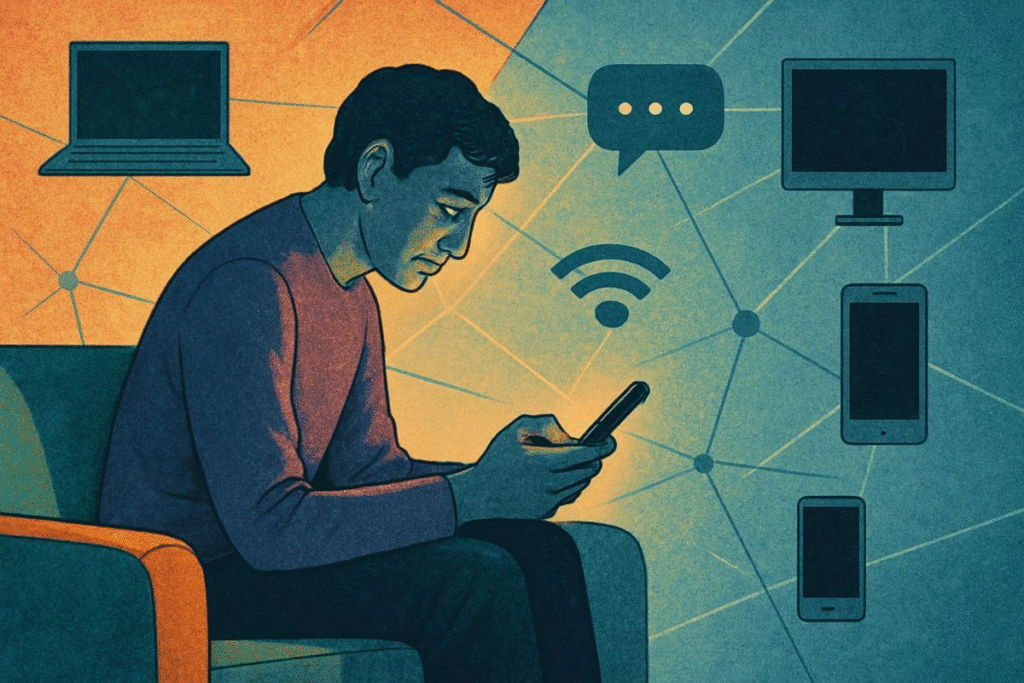
Ironically, despite being surrounded by people, many college students feel profoundly alone. Studies show that nearly two-thirds of college students report feeling lonely or isolated.
Moving away from home, navigating new social circles, and adjusting to independence can all feel overwhelming. For some, especially first-generation college students, the sense of not belonging hits even harder.
Loneliness doesn’t just affect mood — it can impact academic performance, sleep, and even physical health. When students feel unseen or unsupported, mental health struggles often escalate.
5. The Lingering Effects of the Pandemic

COVID-19 changed college life in ways we’re still trying to understand. Lockdowns, remote classes, and canceled events left a lasting mark on young adults.
Many students who started college during or right after the pandemic missed key social and academic milestones. They entered college already carrying grief, uncertainty, and disrupted coping skills.
Even now, post-pandemic, the ripple effects remain. Students struggle with rebuilding connections, managing social anxiety, and finding stability in a world that still feels unpredictable.
University Counseling Centers Are Overwhelmed
As student mental health needs have grown, college counseling centers have struggled to keep up. Wait times for appointments can stretch from two weeks to over a month, depending on the school.
Counselors are often overworked and under-resourced. Some universities have only one counselor for every 2,000 students — far below recommended ratios. Many schools rely on group therapy or peer-led programs simply because they can’t meet demand.
This gap in care leaves students frustrated and discouraged. Some give up seeking help entirely, while others turn to unhealthy coping mechanisms like substance use or isolation.
Universities know there’s a problem — but solving it isn’t easy.
The Stigma That Still Exists
Even with growing awareness, stigma remains a huge barrier. Many students fear being judged, labeled “weak,” or seen as unable to handle college life.
In competitive academic environments, asking for help can feel like admitting failure. Students often push through burnout instead of reaching out for support.
Changing that culture takes time. It requires open conversations, visible leadership from universities, and education that normalizes mental health care as a part of overall well-being.
Faculty and Staff Are Not Always Trained to Help
Professors and staff members are on the front lines — they interact with students daily and often notice signs of distress first. Yet, many say they feel unequipped to respond.
Most faculty receive little or no training on how to recognize or handle mental health issues. Some worry about saying the wrong thing or overstepping boundaries.
Universities that invest in mental health awareness training for staff are making progress, but there’s still a long way to go. Educators need the tools and confidence to guide struggling students toward appropriate resources.
International and Marginalized Students Face Extra Challenges
For international students, the challenges are even greater. Language barriers, cultural differences, and being far from home can intensify feelings of isolation.
Similarly, students of color, LGBTQ+ students, and those from low-income backgrounds may face unique pressures and systemic barriers. Racism, discrimination, or lack of representation in counseling staff can make it harder to seek help.
Creating inclusive mental health support that acknowledges these differences is critical. A one-size-fits-all approach simply doesn’t work.
The Role of Technology in Both Helping and Hurting
Digital therapy platforms like BetterHelp and Talkspace have become more popular, offering accessible online counseling. Some universities now partner with these services to expand mental health care.
While these tools can be lifesavers for students who can’t get in-person appointments, they’re not a full solution. Virtual therapy can feel impersonal or limited for those in deep distress.
Still, technology has potential — especially for reducing wait times and offering flexible support. When combined with in-person care, it can help bridge the gap.
Peer Support: Students Helping Students
One encouraging trend is the rise of peer support programs. Many universities now train students to provide empathetic listening and guidance to their peers.
Talking to someone your own age can feel less intimidating than speaking to a counselor. Peer programs can help students feel seen, understood, and encouraged to seek professional help when needed.
This doesn’t replace therapy, but it adds an important layer of connection and community.
What Universities Are Doing — and Where They Fall Short
Most universities now recognize mental health as a top priority. They’re investing in new wellness centers, mindfulness programs, and stress-relief events. Some offer 24-hour crisis lines and free counseling sessions.
However, many of these initiatives are reactive rather than proactive. A few yoga sessions during finals week won’t solve a systemic issue.
To truly address the crisis, universities must embed mental health into every aspect of campus life — from orientation programs to academic advising. Support should be ongoing, not just offered when things fall apart.
What Students Say They Really Need
When asked what would help most, students consistently mention:
- More counseling staff and shorter wait times
- Flexible academic policies that consider mental health challenges
- Spaces to talk openly without fear of judgment
- Faculty understanding and compassion
- Affordable access to off-campus mental health care
It’s clear that the demand for change isn’t just about therapy — it’s about building a culture where emotional health is treated as a priority, not an afterthought.
How Parents and Families Can Help
Parents play a huge role, even after students leave home. Open, non-judgmental communication makes a difference.
Instead of asking only about grades or majors, parents can ask: “How are you really feeling?” or “Are you getting enough rest?”
Encouraging students to seek help early — and reassuring them that therapy is normal — can remove a lot of fear and shame. Family understanding is often the first step toward recovery.
The Role of Policy and Government Support
Some lawmakers are pushing for better funding for campus mental health services. Programs like the Garrett Lee Smith Memorial Act support suicide prevention initiatives in colleges.
Still, more investment is needed. Public universities, in particular, face budget constraints that limit their ability to hire counselors or expand services.
Mental health isn’t a luxury; it’s a necessity. Policy change must reflect that reality.
The Human Cost of Inaction
When students can’t access help, the consequences are devastating. Dropout rates rise, academic performance suffers, and in the worst cases, lives are lost.
Suicide is now one of the leading causes of death among college students in the United States. Every delay in response, every long waitlist, every stigma-filled silence costs lives.
The message is clear: universities can’t afford to treat mental health as an afterthought anymore.
Building a Healthier Campus Culture
Real change starts with small steps. Encouraging kindness, normalizing vulnerability, and celebrating balance over perfection can shift campus culture.
Mental health days, flexible deadlines, and peer mentorship programs are not signs of weakness — they’re signs of progress.
When universities create environments where students feel supported instead of pressured, everyone benefits — academically, socially, and emotionally.
Looking Ahead: Hope for a Healthier Future
Despite the challenges, there’s reason for hope. Students are speaking up louder than ever before. Faculty are learning to listen. Universities are beginning to rethink what success really means.
The conversation about mental health is no longer confined to counseling offices. It’s happening in classrooms, dorms, and student unions — and that’s how real change begins.
The next step is turning awareness into action. It’s about giving every student the resources they need to thrive, not just survive.
Because at the heart of every university are human beings — young people dreaming, growing, and sometimes struggling. Crisis on Campus And they deserve to be seen, heard, and supported every step of the way.
Final Thoughts: From Awareness to Action
The mental health crisis on American campuses isn’t going away overnight. But acknowledging it openly is the first step toward change.
Universities must shift from reactive solutions to preventive care — integrating emotional well-being into academics, housing, and campus life.
Students need to know they’re not alone. Faculty need better tools to support them. And the country as a whole must recognize that investing in mental health is investing in the future.
Because the truth is simple: when students are mentally healthy, they don’t just learn better — they live better.


