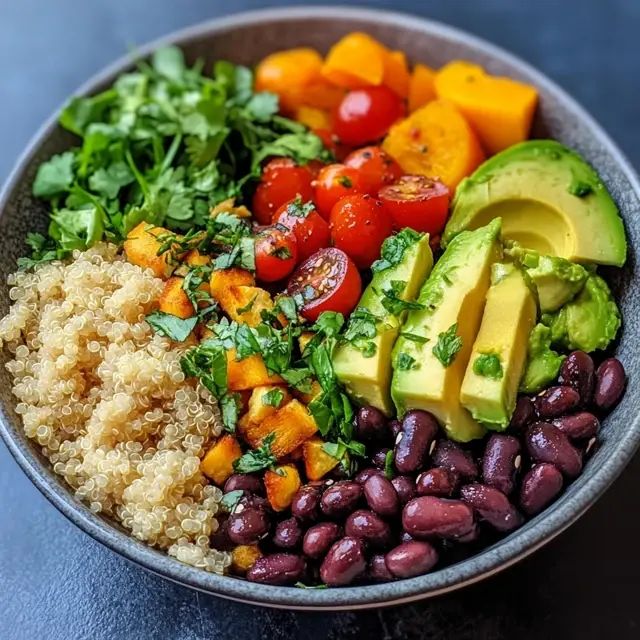

Are You Eating the Right Foods for Your Health
Ever ponder how some folks manage to maintain their health and vitality without resorting to costly supplements? Their kitchen is frequently the key. Numerous natural nutrients that are not only delicious but also brimming with therapeutic potential have been bestowed to India. Our grandparents regarded them as daily necessities, but we now refer to them as superfoods.
What Exactly Are Superfoods?
Natural foods high in vitamins, minerals, and antioxidants are known as superfoods. When compared to ordinary foods, they offer additional health advantages. They are healthy, fresh, and simple to incorporate into your regular meals, unlike bottled supplements. For generations, Ayurveda in India has included these superfoods. They support better digestion, strengthen immunity, and even maintain the radiance of your skin.
The Timeless Wisdom of Ayurveda
The need of food balance was originally explained by Ayurveda before contemporary science began discussing nutrition. Food has the power to heal the body and the psyche, according to Ayurveda. It divides food into three groups: Rajasic, Tamasic, and Sattvic. The optimum food for long-term health is satitvic, which consists of fresh fruits, vegetables, grains, and milk. The most astounding thing is that the majority of Indian superfoods are classified as sattvic.
Turmeric – The Golden Spice of India
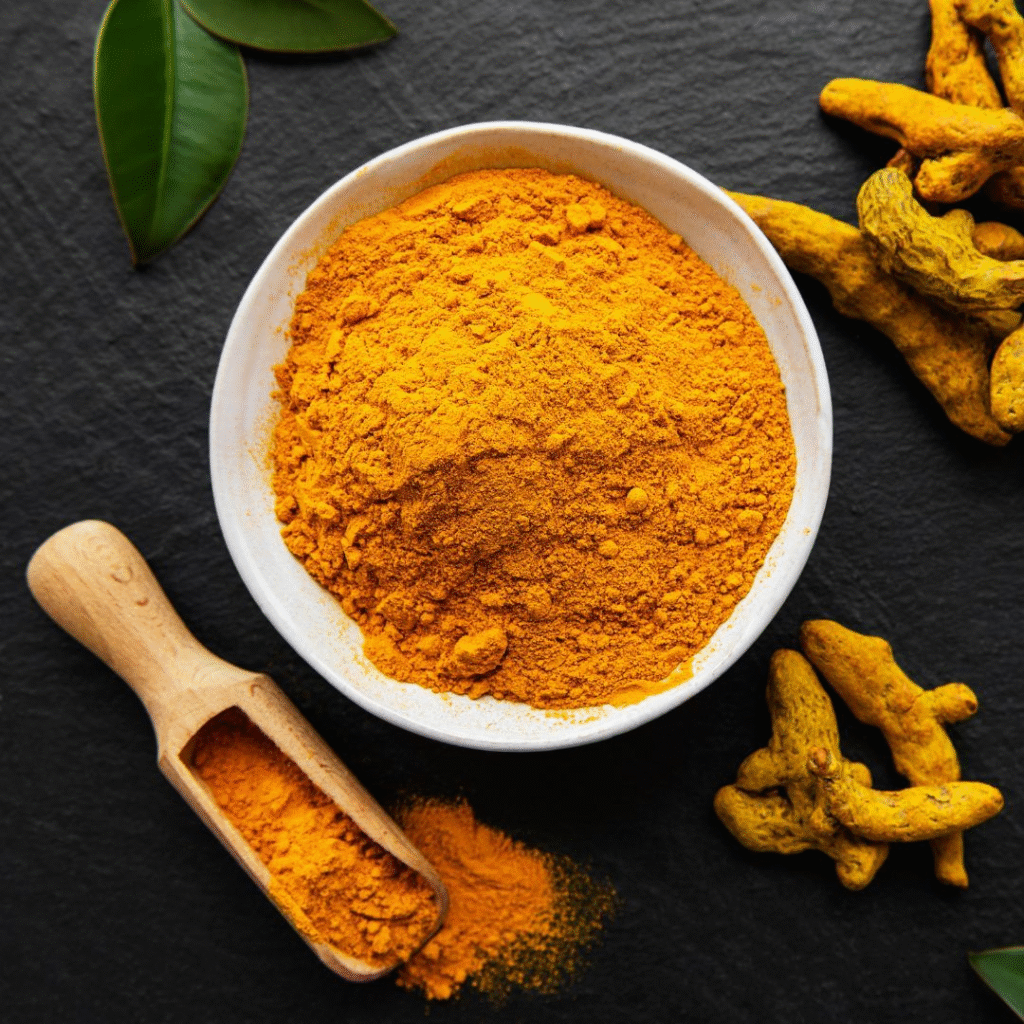
Turmeric is probably the most famous Indian superfood worldwide. Its active compound, curcumin, has powerful anti-inflammatory and healing properties. A pinch of turmeric in your curries not only adds color but also strengthens your immunity. Turmeric milk, often called golden milk, is a soothing drink that helps fight infections and improves sleep. Isn’t it fascinating how such a simple spice can be so powerful.
Amla – The Vitamin C Powerhouse
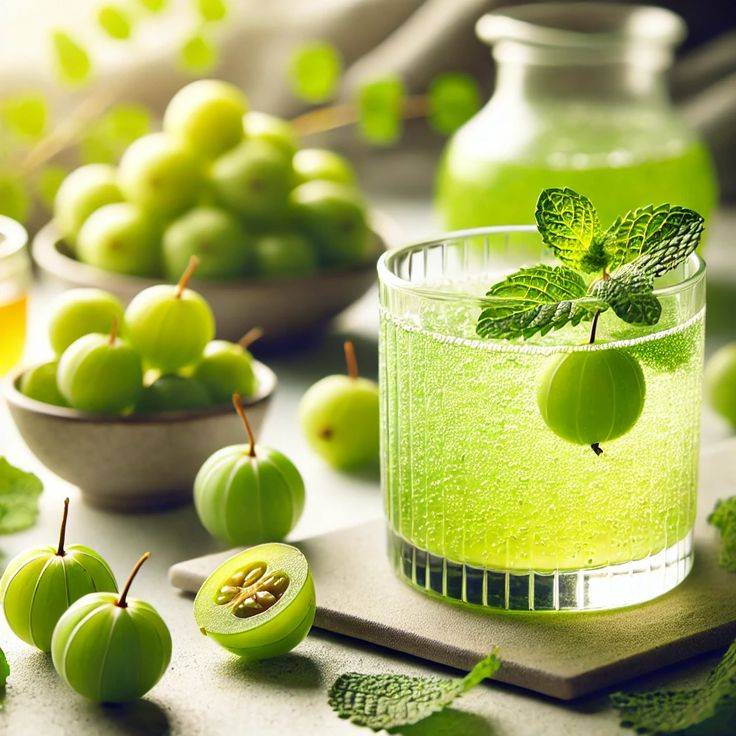
If you are looking for glowing skin and stronger immunity, amla or Indian gooseberry is your best friend. It is one of the richest natural sources of vitamin C. Eating raw amla, drinking its juice, or adding it to chutneys can do wonders for your health. Regular consumption of amla supports digestion, strengthens hair roots, and delays signs of aging.
Moringa – The Miracle Tree
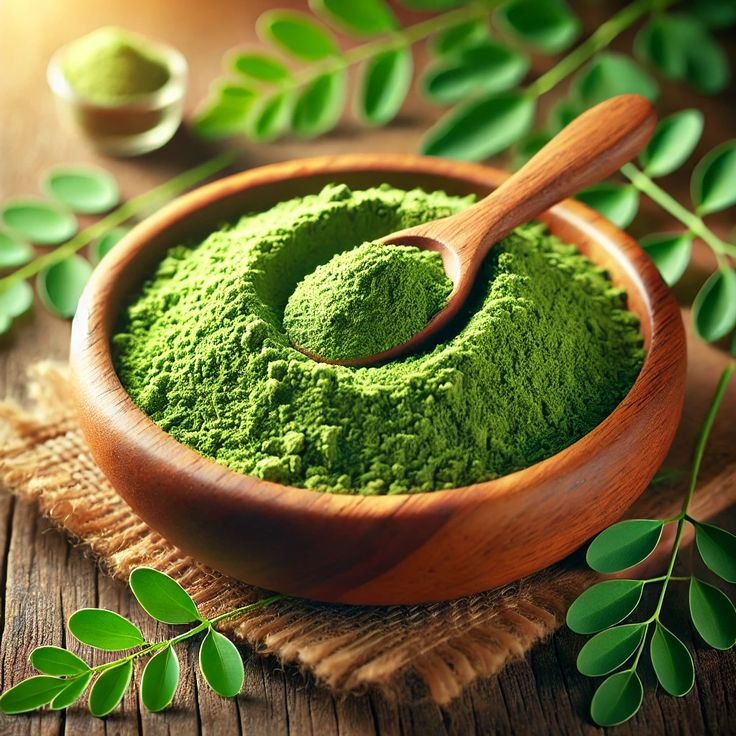
The superfood moringa, sometimes referred to as the drumstick tree, has recently drawn interest from all over the world. Its leaves are rich in calcium, iron, and protein. Moringa leaves can be added to soups, dals, and even smoothies. They increase vitality, lessen exhaustion, and aid in blood sugar regulation. No wonder it’s referred to as a miracle tree.
Ghee – Liquid Gold for Your Body

Ghee was mistakenly thought to be unhealthy fat for many years. Today, it is hailed as a superfood of health by dietitians worldwide. Ghee, which is high in fat-soluble vitamins and omega-3 fatty acids, helps maintain healthy joints, enhances digestion, and promotes cognitive function. Incorporating a teaspoon of ghee into your food not only improves taste but also supports health.
Millets – The Forgotten Grains Making a Comeback
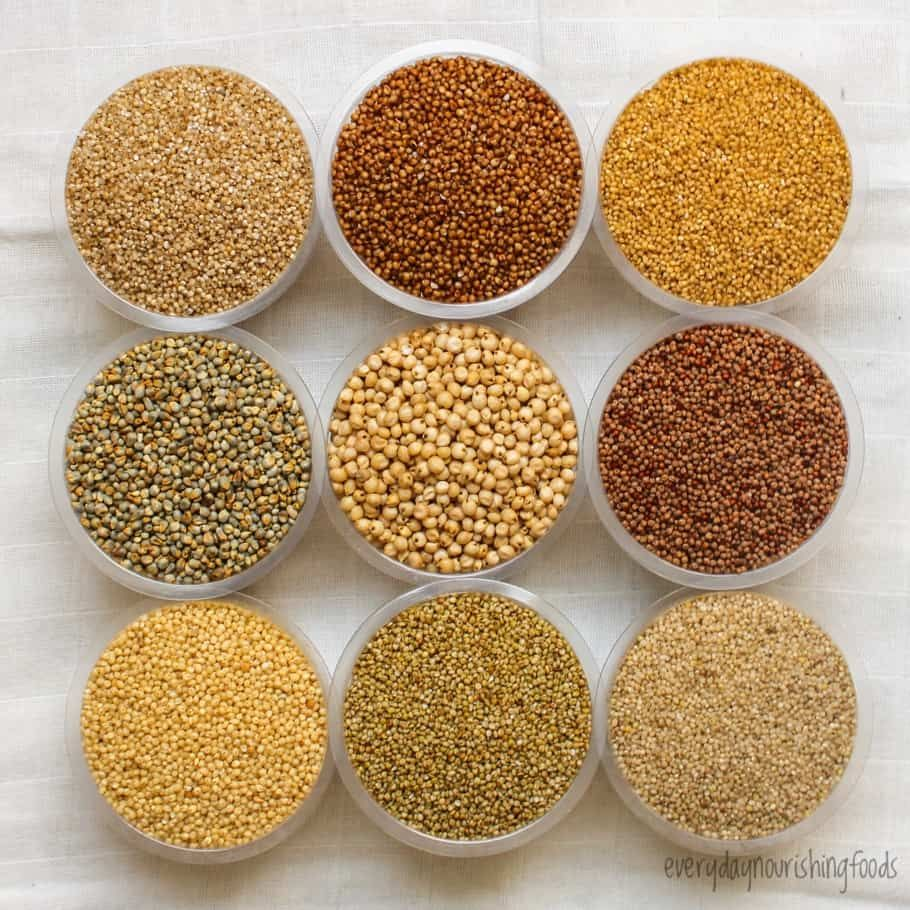
In contemporary diets, millets like ragi, bajra, and jowar are making a big comeback. These ancient grains are high in fiber and devoid of gluten. They enhance gut health, control blood sugar, and prolong feelings of fullness. For a healthier twist, consider millet-based rotis or even millet dosa in place of refined flour rotis.
Tulsi – The Holy Basil with Healing Power
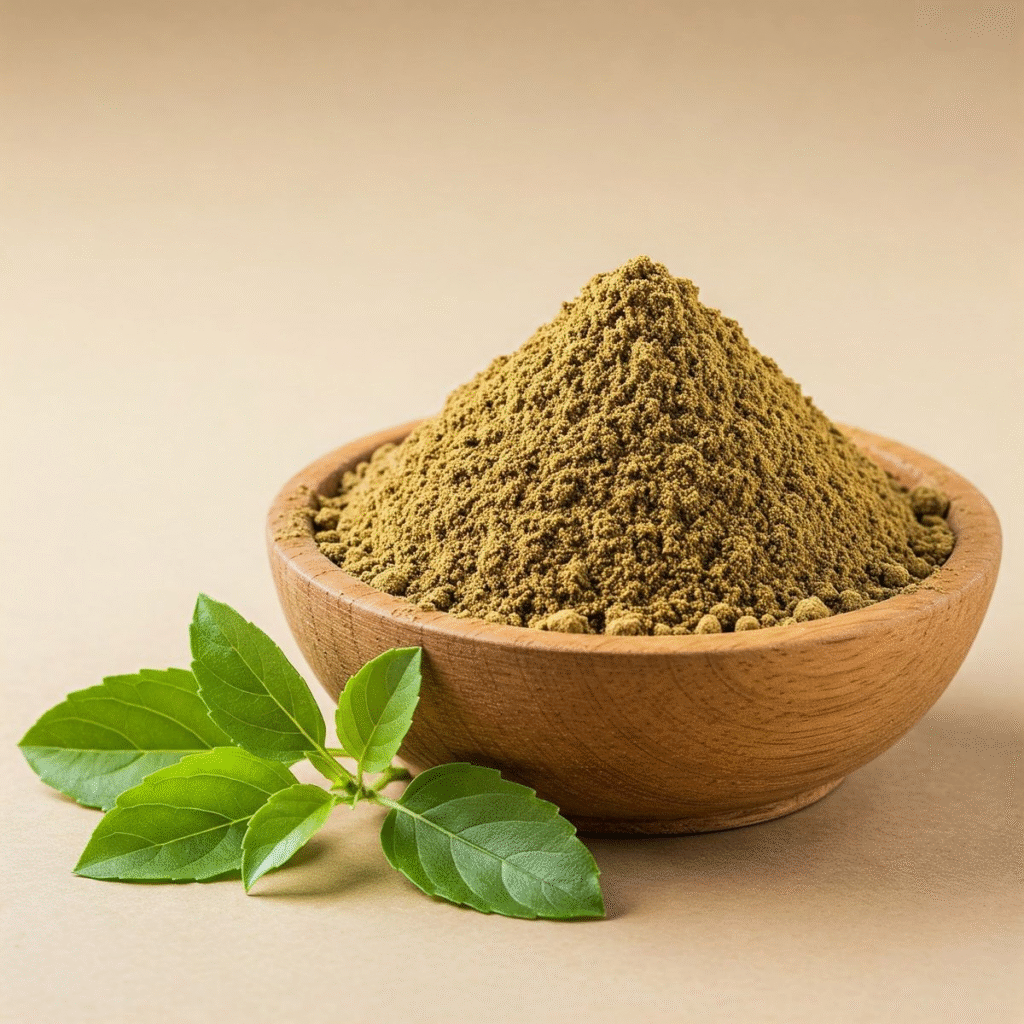
In addition to being a sacred herb, tulsi is a superfood with potent therapeutic properties. Regularly consuming tulsi tea boosts immunity, lowers stress, and enhances respiratory health. Tulsi leaves are still used in many homes as a cough and cold remedy. The best part is that growing tulsi in your garden or balcony is simple.
Ashwagandha – The Stress Buster Herb
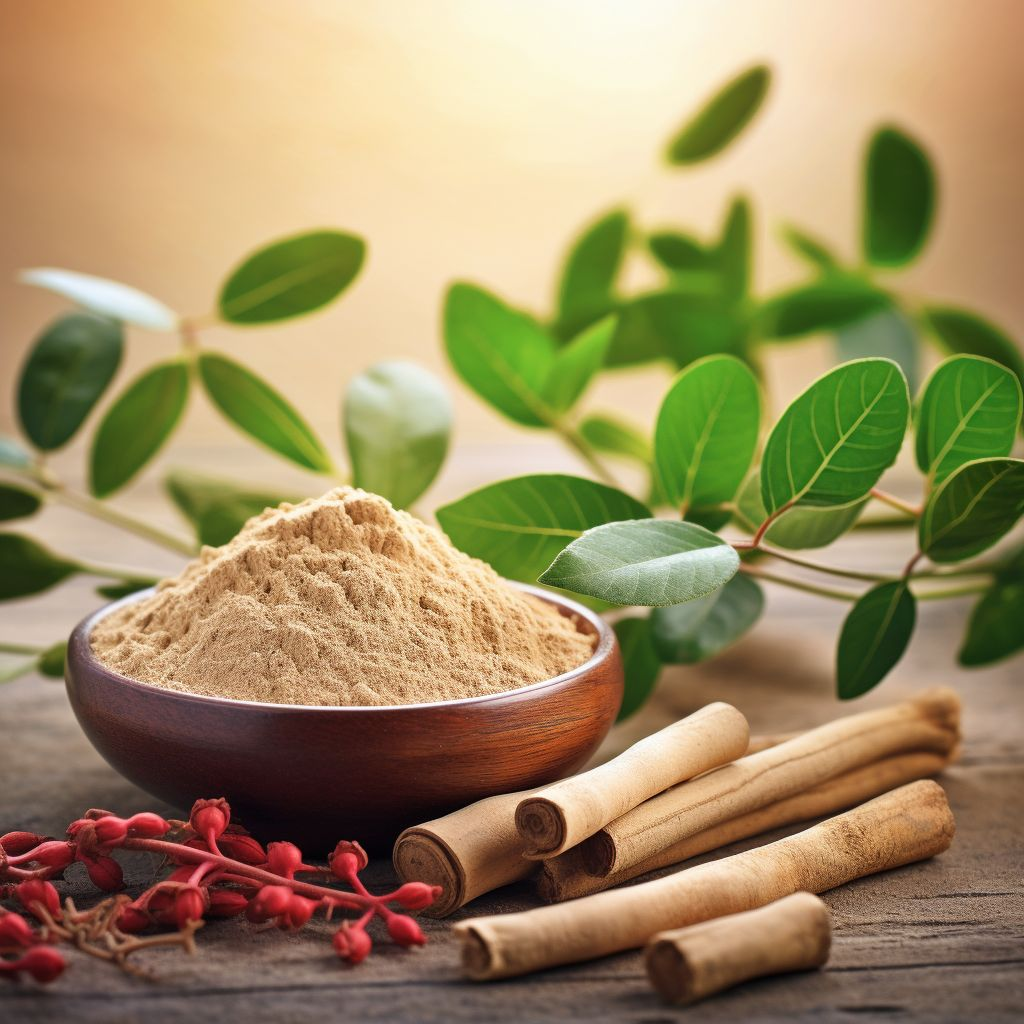
For centuries, ashwagandha has been utilized as a natural stress reliever in Ayurveda. Being an adaptogen, it aids in the body’s ability to cope with stress and exhaustion. Frequent use promotes better sleep, increased vitality, and improved attention. Nowadays, a lot of individuals take ashwagandha supplements or powder to help them cope with the stress of modern life.
Sattu – The Protein-Rich Power Drink
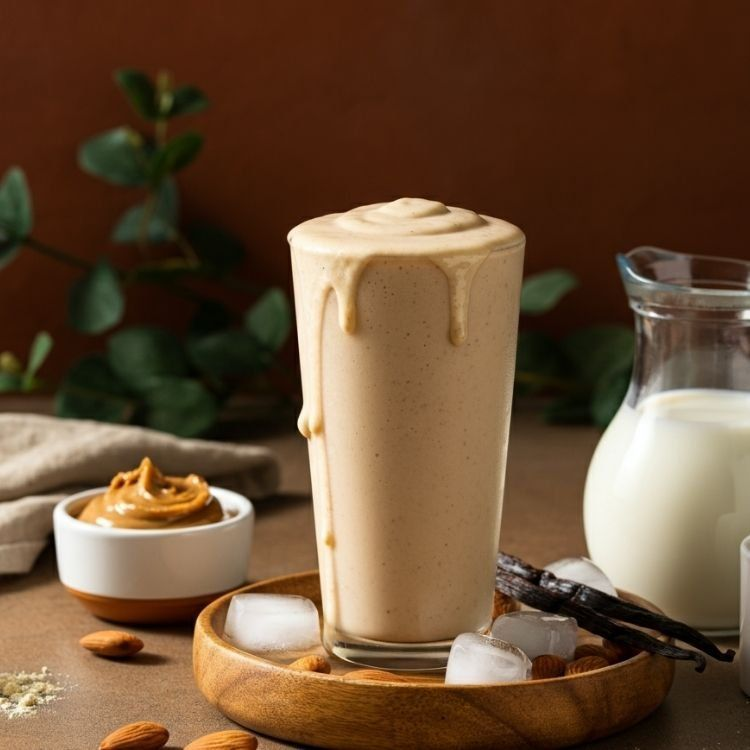
One of the most reasonably priced and nutrient-dense Indian superfoods is sattu, which is produced from roasted gram flour. It is a great energy drink because it is high in fiber and protein. In order to stay cool and active throughout the summer, people in states like Uttar Pradesh and Bihar like sattu sharbat. Additionally, you can make stuffed parathas or laddoos with sattu.
Indian Superfoods’ Health Benefits
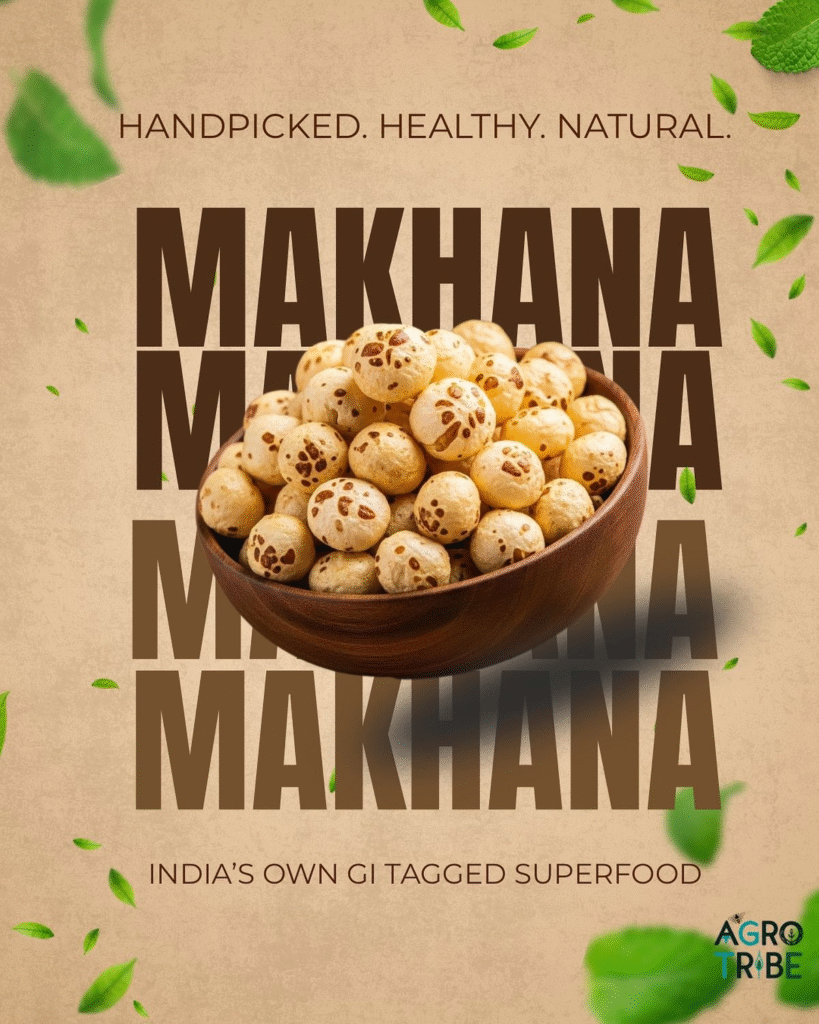
Although each of these superfoods has special advantages, taken as a whole, they address nearly every facet of health. They slow down aging, protect the heart, control blood sugar, and boost immunity. Indian superfoods are particularly beneficial for vegetarians since they offer vital nutrients like calcium, iron, and protein without requiring animal products.
Simple Ways to Add Superfoods to Your Diet
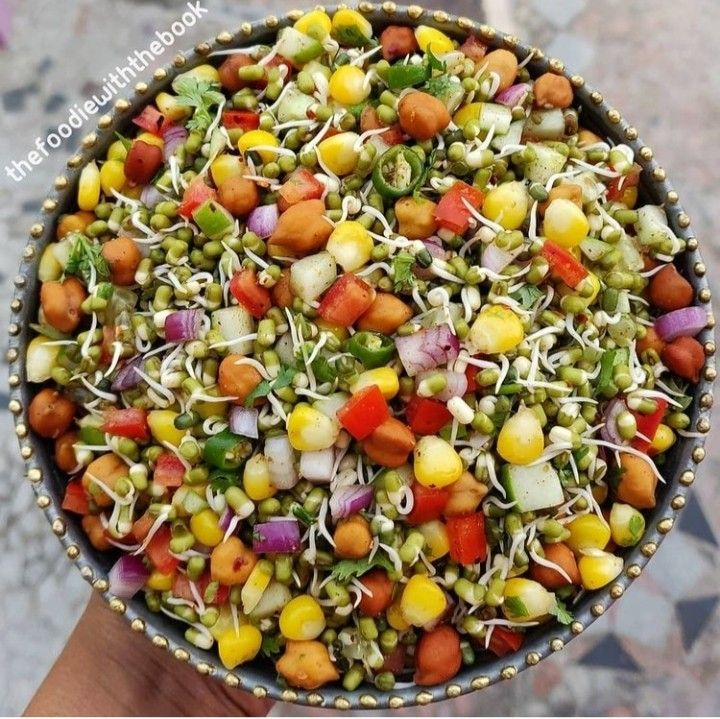
To reap the benefits of superfoods, you don’t have to make significant lifestyle adjustments. Warm water with honey and turmeric is a great way to start the day. Use millet rotis instead of refined flour rotis. To your dal, add a teaspoon of ghee. Make chutneys with coriander or amla. In the evening, have tulsi tea rather than ordinary tea. Over time, these little actions have a significant effect.
Why Indian Superfoods Are So Popular Worldwide
It’s fascinating to observe how Indian superfoods are currently gaining international recognition. Health stores in Europe and America sell millet-based snacks, moringa supplements, and turmeric lattes. What was formerly thought of as commonplace in Indian kitchens has evolved into a worldwide wellness movement. This demonstrates how ageless our traditional dishes are.
Popular Indian Superfoods and Their Benefits
| Superfood | Key Nutrients | Main Health Benefits | How to Use |
|---|---|---|---|
| Turmeric | Curcumin, antioxidants | Boosts immunity, reduces inflammation | Add to curries, drink golden milk |
| Amla | Vitamin C, fiber, antioxidants | Improves digestion, supports skin & hair health | Juice, chutney, raw fruit |
| Moringa | Protein, iron, calcium, vitamin A | Increases energy, controls blood sugar | Add to soups, dals, smoothies |
| Ghee | Healthy fats, omega-3, vitamins A & E | Aids digestion, supports brain health | Use in cooking, spread on rotis |
| Millets | Fiber, protein, magnesium | Regulates blood sugar, improves gut health | Roti, dosa, porridge |
| Tulsi | Antioxidants, essential oils | Relieves stress, improves respiratory health | Herbal tea, raw leaves |
| Ashwagandha | Withanolides, iron, antioxidants | Reduces stress, boosts energy, improves sleep | Powder, capsules, smoothies |
| Sattu | Protein, fiber, minerals | Increases stamina, cools the body, aids digestion | Sharbat, paratha, laddoo |
| Ginger | Gingerol, antioxidants, vitamin B6 | Relieves nausea, aids digestion, reduces pain | Tea, curries, chutneys |
| Garlic | Sulfur compounds, vitamin C, B6 | Supports heart health, strengthens immunity | Raw, chutneys, cooking |
Final Thoughts
Indian superfoods are more than just ingredients. They are a part of our culture, our traditions, and our health system. By including them in our daily diet, we not only stay fit but also stay connected to our roots. The best part is that these foods are natural, affordable, and easily available. So, the next time you cook, ask yourself—are you making space for these powerful superfoods on your plate?
Meta Description:
Learn everything there is to know about Indian superfoods such as amla, turmeric, moringa, and millets. Discover how these age-old nutrients improve immunity, vitality, and general wellness, as well as their health advantages and simple dietary advice.


